



Electrical wiring is the backbone of your home’s power supply. If your house was built before the 1980s or has experienced years of DIY alterations, it may need rewiring. Replacing outdated wiring improves safety, allows your home to handle today’s electrical demands, and increases property value. But rewiring is not a project for amateurs.
What home rewiring entails
Rewiring involves removing old or damaged wires and installing new circuits, outlets, and switches that meet current code. Electricians may update the service panel, add more circuits for appliances, and install GFCIs and AFCIs where required. The job can be extensive, sometimes requiring temporary removal of drywall or routing wires through attics and crawl spaces. It typically concludes with an inspection to ensure compliance.
Dangers of DIY rewiring
Electrical work is inherently dangerous. Mike Holmes Jr. stresses that improper electrical work poses serious hazards. DIY rewiring can expose you to shock or electrocution. Poorly executed splices, improper wire gauges, or lack of grounding can lead to overheating and fires. Without permits, you could face fines and insurance denial if a fire occurs.
Hidden mistakes are another risk. Wiring errors inside walls may not show symptoms immediately, but over time they can create arcs or shorts. Unlicensed rewiring can also violate code requirements for GFCIs, AFCIs, or proper conductor sizing, voiding warranties on appliances.
Why licensed electricians are essential
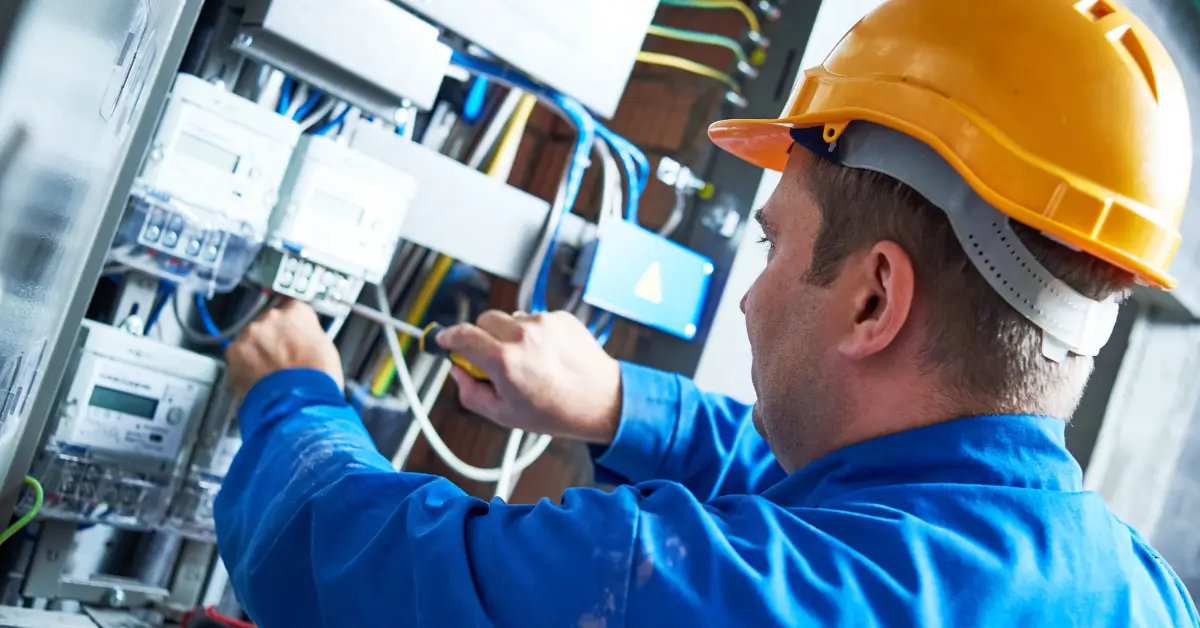
Only licensed electrical contractors are legally allowed to perform electrical work in many jurisdictions, including West Virginia. In Mike Holmes’s article, he explains that Licensed Electrical Contractors are fully insured and arrange necessary notifications and permits. Hiring a licensed professional ensures that your rewiring project meets the NEC and West Virginia amendments.
Licensed electricians carry liability insurance and workers’ compensation, protecting you if an accident occurs. They use proper tools and follow safety protocols, reducing the risk of fire or injury. Their work often comes with a warranty, so if any issues arise, they will return to correct them. Unlicensed contractors may ask you to pull permits yourself or pay cash; these are red flags.
How to choose a licensed electrician
- Verify credentials: Ask for the electrician’s license number and proof of insurance. In West Virginia, electrical contractors are licensed through the State Fire Marshal’s Office. Check their license status online.
- Request references: A reputable electrician will provide customer references. Look for reviews on Google and local directories. First Response Electrical has many five‑star testimonials.
- Get written estimates: Obtain detailed estimates that outline labor, materials, and permit fees. Compare multiple quotes to avoid overpaying.
- Watch for red flags: Mike Holmes lists warning signs such as contractors lacking license numbers on their vehicles, asking you to pull permits, or requesting cash payment. Avoid anyone who pressures you to circumvent proper procedures.
Benefits of professional rewiring
Safety and reliability: Licensed electricians ensure that new wiring is properly sized, grounded, and protected by breakers. Your home will be less prone to electrical fires and nuisance trips.
Increased home value: Updated wiring is attractive to buyers and may yield a higher selling price. Modern electrical systems can accommodate energy‑efficient appliances and smart home technology, appealing to future purchasers.
Capacity for modern devices: Rewiring adds circuits and outlets to support EV chargers, HVAC upgrades, hot tubs, and home offices. You’ll experience fewer breaker trips and voltage drops.
Lower energy consumption: New wiring and panels often reduce energy loss due to resistance or overheating. Combined with LED lighting and modern appliances, you’ll see lower utility bills.
Rewiring and insurance claims
If you experience a fire or electrical damage, insurers may ask for proof that work was performed by licensed professionals. Hiring a licensed electrician ensures you have documentation and permits. First Response Electrical can also help coordinate with your insurance company, providing estimates and detailed repair reports.
West Virginia considerations
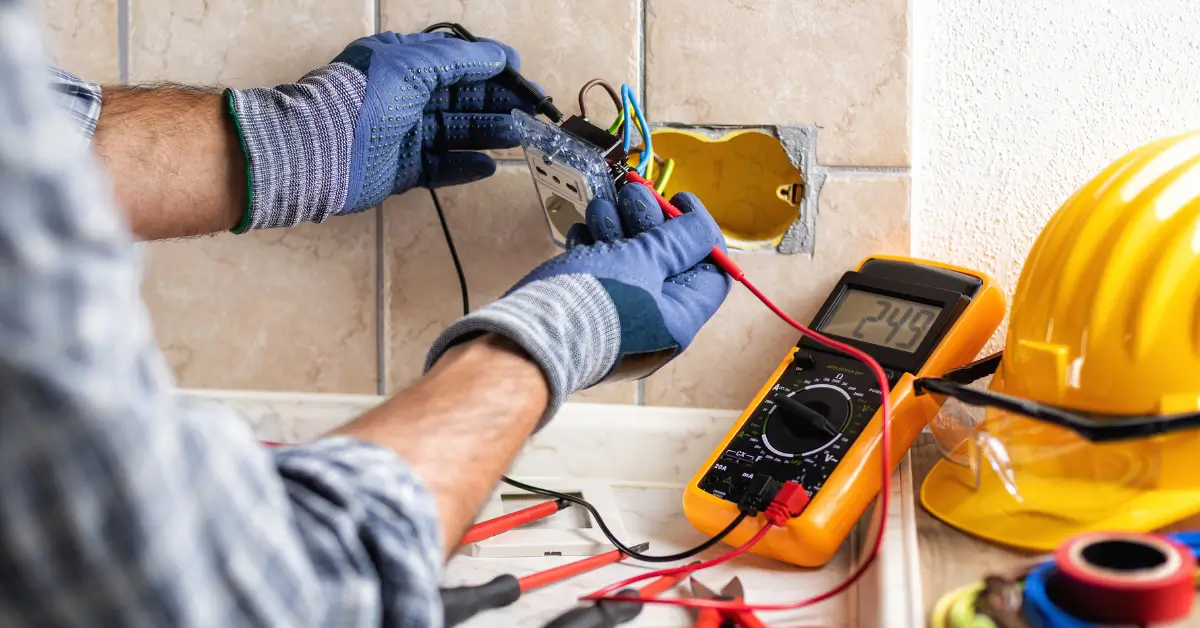
Many homes in the Charleston and Huntington areas still have knob‑and‑tube wiring, cloth‑insulated wires, or aluminum branch circuits. West Virginia’s humid climate can accelerate corrosion of older conductors. Upgrading these systems requires expertise to avoid damage to existing structures. Licensed electricians know local code requirements, such as AFCI and GFCI placement and surge protection mandates.
Conclusion
Home rewiring is a complex, high‑stakes project that should never be done without a licensed electrician. The risks of shock, fire, and code violations far outweigh any potential savings. A licensed, insured professional ensures that your system is safe, compliant, and capable of powering modern appliances. If your home needs rewiring or you suspect old wiring, contact First Response Electrical. Our family‑owned team will assess your system, provide a detailed plan, and perform code‑compliant rewiring backed by our warranty. Call today for peace of mind and a safer home.