



Water and electricity don’t mix. Ground‑fault circuit interrupter (GFCI) outlets are designed to prevent serious shocks and electrocution in areas where moisture increases risk. Understanding how they work and where they belong can save lives.
What is a GFCI?
A GFCI is an outlet that shuts off power when it detects ground faults. It monitors the current flowing into and out of the circuit. If there’s a slight difference (as little as 4–5 milliamps), indicating electricity may be traveling through a person to the ground, the GFCI trips and stops the flow.
Why GFCIs are needed
Because water conducts electricity, kitchens, bathrooms, laundry rooms, garages, and outdoor areas pose a higher risk of shock. Safe Electricity notes that GFCI outlets are used in these locations to sense unsafe electrical hazards and shut off power. Without GFCI protection, touching an appliance while wet could cause electrocution.
How GFCIs work
GFCIs continuously compare the amount of electricity flowing in and out of a circuit. If the difference exceeds about 4–5 milliamps, the GFCI responds in less than a tenth of a second, cutting off power. This quick action reduces the chance of serious injury. They should be installed by qualified electricians and can be added to existing circuits.
Types of GFCIs
There are three main types of GFCI protection:
- Receptacle‑type GFCIs: These look like standard outlets with “TEST” and “RESET” buttons. They protect devices plugged into them and downstream on the same circuit.

- Circuit breaker GFCIs: Installed at the breaker panel, these provide GFCI protection to all outlets on that circuit, replacing a standard breaker.
- Portable GFCIs: Temporary devices used with outdoor tools or extension cords. They are useful for construction sites or yard work but should not be a permanent substitute for receptacle GFCIs.
Testing and maintenance
GFCIs can wear out or be damaged by surges. Safe Electricity recommends testing them monthly. Press the TEST button; power should cut off. The RESET button should restore power. If the GFCI doesn’t trip or reset, replace it immediately. GFCI outlets typically last about 10 years; consider replacing older units. In kitchens and bathrooms, humidity can shorten their lifespan.
Code requirements and West Virginia regulations
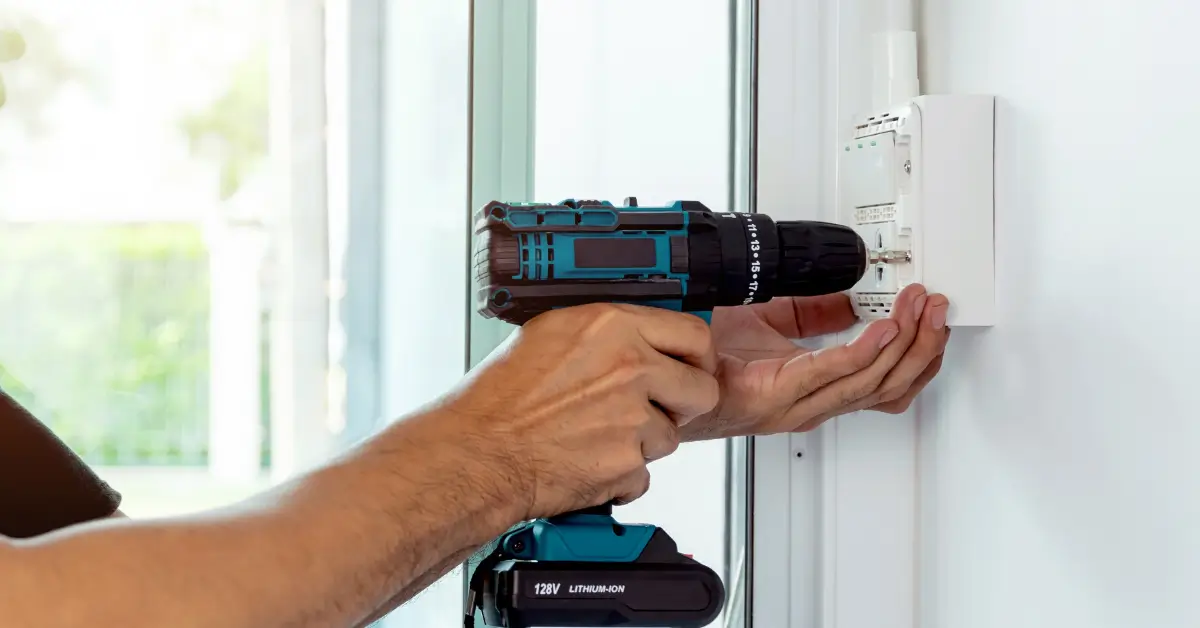
The NEC requires GFCI protection in bathrooms, kitchens, laundry areas, garages, basements, crawl spaces, and outdoor outlets. West Virginia has adopted these requirements with few amendments. Recent code updates also require GFCIs on outlets servicing dishwashers, sump pumps, and outdoor HVAC units. During renovations, old two‑prong outlets in these areas must be replaced with GFCI‑protected outlets. First Response Electrical ensures installations meet code and offers tamper‑resistant GFCIs for added child safety.
Common questions
Do GFCIs and AFCIs conflict? Arc‑fault circuit interrupters (AFCIs) protect against electrical fires by detecting arcing. They can coexist with GFCIs; in fact, combination devices (dual‑function breakers) provide both types of protection.
Do GFCIs protect against surges? GFCIs prevent shock but do not protect against voltage surges. Pair GFCI outlets with surge protectors for comprehensive safety.
Will a GFCI trip in a power outage? When power is restored after an outage, GFCIs should remain functional. If a surge damaged them, they may need replacement.
Conclusion and call‑to‑action
GFCI outlets are a critical safety device wherever electricity and water mix. They detect ground faults and shut off power in fractions of a second, reducing the risk of shock or electrocution. Ensure your home’s kitchens, bathrooms, and outdoor outlets have working GFCIs, and test them monthly. For safe installation or replacement, contact First Response Electrical. Our licensed electricians will ensure your outlets meet current code and provide peace of mind. Don’t gamble with safety—upgrade to GFCI protection today.