



Your home’s electrical panel acts as the distribution center for power. Electricity from the utility grid enters your panel and is divided into circuits that run lights, appliances, and outlets. When the panel is outdated or overloaded, it can cause all sorts of problems, from dimming lights to dangerous fires. Understanding the signs of trouble helps you know when it’s time to call a professional for an upgrade.
What does an electrical panel do?
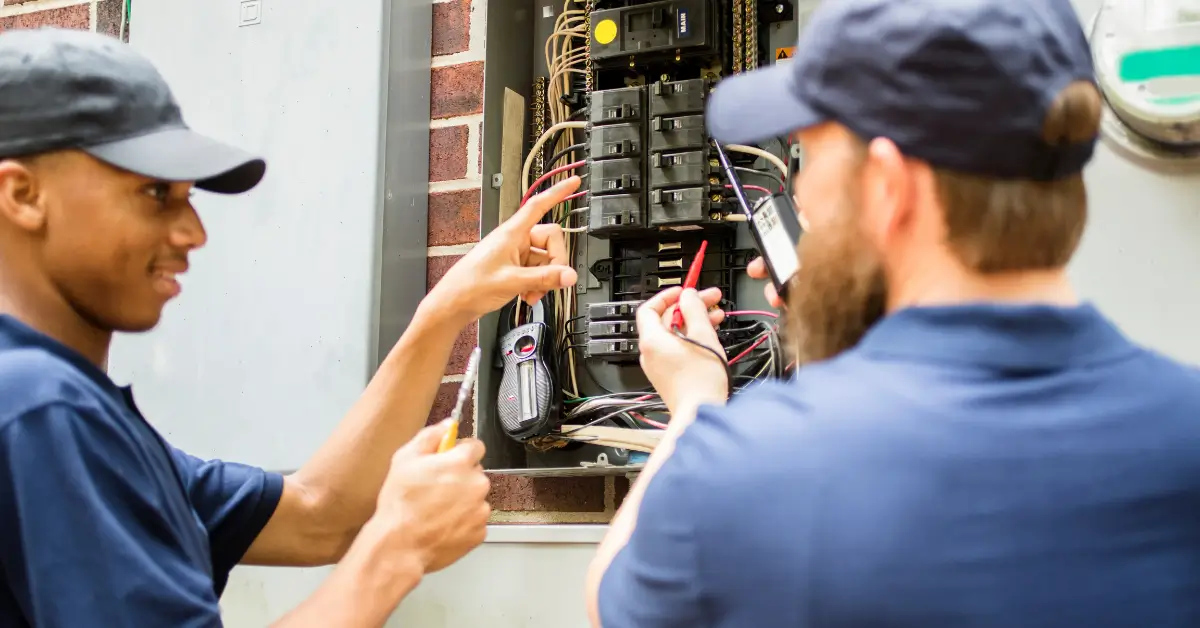
An electrical panel (or breaker box) houses circuit breakers that protect each branch circuit in your home. When a circuit overloads, the breaker trips to prevent wires from overheating. Panels typically last 25 to 40 years, but they can wear out sooner if overloaded or exposed to moisture.
Top signs you need an upgrade
- Frequent breaker trips: Breakers trip to protect circuits from overload. If they trip often, your panel may be undersized or failing. An older panel might not handle modern demands like HVAC units, microwaves, and home offices.
- Flickering or dimming lights: Lights that flicker when appliances run indicate insufficient power or overloaded circuits. An electrician can determine if adding circuits or upgrading the panel is necessary.

- No room for additional breakers: If your panel is full, there’s nowhere to add circuits. Adding sub‑panels or upgrading to a larger panel can solve this.
- Fuse box instead of circuit breakers: Homes built before 1960 may still use fuses. Fuse boxes are less convenient and may not provide adequate protection. Upgrading to breakers is safer and often required when selling.
- Old or outdated panels: Panels older than 25 years can wear out and fail. They may not support modern power loads. In West Virginia, many homes built in the 1960s–1980s still have original panels.
- Overuse of extension cords and power strips: If you rely heavily on extension cords, you likely lack sufficient outlets. That can indicate an undersized panel.
- Melted wires, buzzing sounds, or rust: Burn marks, warm spots, rust, or humming noises from your panel are serious warning signs. These issues suggest loose connections or moisture intrusion and require immediate professional attention.
- Planning major upgrades: Installing new appliances (EV chargers, HVAC units, hot tubs) or remodeling often requires additional circuits. Planning an upgrade before you purchase new equipment saves time and money.
Why upgrading matters
Safety and fire prevention: Outdated panels may not trip correctly, leading to overheated wires and fires. Upgrading reduces the risk of electrical fires and helps ensure your system meets current code.
Energy efficiency and performance: New panels can handle larger loads and improve the performance of appliances, reducing nuisance trips and voltage drops.
Home value and insurance: A modern electrical system can raise your home’s value and reduce insurance premiums. Many insurers ask about panel type and age when underwriting policies.
Local considerations for West Virginia
West Virginia’s mix of older homes and severe weather creates unique challenges. Moisture from humidity or flooding can corrode panels, while frequent storms cause surges. The West Virginia State Fire Marshal’s office recommends inspecting panels every 5–7 years and updating any unit over 30 years old. Additionally, West Virginia codes require exterior emergency disconnects for new one‑ and two‑family dwellings; an upgrade may be necessary to meet these rules. First Response Electrical’s team is familiar with state and local codes and will secure the necessary permits for panel upgrades.
The upgrade process
- Assessment: A licensed electrician evaluates your current panel, determines load requirements, and recommends a new panel size (100, 150, 200 amps, etc.).
- Planning and permits: They obtain permits and schedule an inspection. In some cases, the utility company must disconnect power temporarily.
- Installation: The electrician installs the new panel, transfers circuits, and labels breakers. If needed, they can add a whole‑house surge protector at the panel.
- Inspection and finalization: Local authorities inspect the installation to ensure it meets code. Once approved, your power is restored.
Cost factors and financing
Costs depend on panel size, complexity, and labor. Typical panel upgrades range from $1,500 to $3,000, including permits and labor. If your service drop or meter needs updating, costs can rise. Some homeowners insurance policies offer discounts for modern electrical systems, and financing may be available through local programs.
Conclusion and call‑to‑action
Your electrical panel is a critical safety device. If you notice frequent trips, flickering lights, or other warning signs, don’t ignore them. Upgrading your panel improves safety, accommodates modern appliances, and may even save you money on insurance. First Response Electrical serves Culloden and surrounding areas with professional panel inspections and upgrades. Contact us today for an assessment and keep your home running safely.