



Modern homes are filled with electronics—smartphones, laptops, gaming consoles, HVAC systems, and smart appliances. A sudden power surge can destroy these devices in an instant. Surge protection acts as a shield, diverting excess voltage away from your equipment. Understanding why surge protection matters can save you money and stress.
Common causes of power surges

Power surges are sudden increases in voltage that exceed the normal flow of electricity in your home. Causes include:
- Lightning strikes: Lightning is the most dramatic source. Even if a strike doesn’t directly hit your home, it can induce surges through power lines.
- Utility grid fluctuations: When power companies switch grids or restore power after outages, the sudden return of electricity can create surges.
- Appliances cycling: Large appliances like refrigerators, air conditioners, and pumps draw substantial current when they turn on and off. These small surges may not be noticeable but can shorten the lifespan of sensitive electronics over time.
How surge protectors work
Surge protectors divert excess voltage to the ground, preventing it from reaching your devices. Whole‑house surge protectors install at your electrical panel and protect every circuit. They differ from plug‑in power strips, which only protect devices connected to that strip. Whole‑house devices intercept surges at the source, offering comprehensive coverage.
Benefits of whole‑house surge protection
- Comprehensive protection: Installing a surge protector at the panel protects every outlet and device in your home. You won’t need multiple plug‑in protectors.
- Cost savings: Replacing a refrigerator, HVAC system, or entertainment center is expensive. Surge protection often costs far less than replacing even one major appliance.
- Protecting essential systems: In Minnesota, Kruger Electric notes that whole‑house surge protection safeguards critical systems like HVAC during harsh winters. In West Virginia, similar protection ensures your heating and cooling equipment stays safe during storms.
Professional installation and local expertise
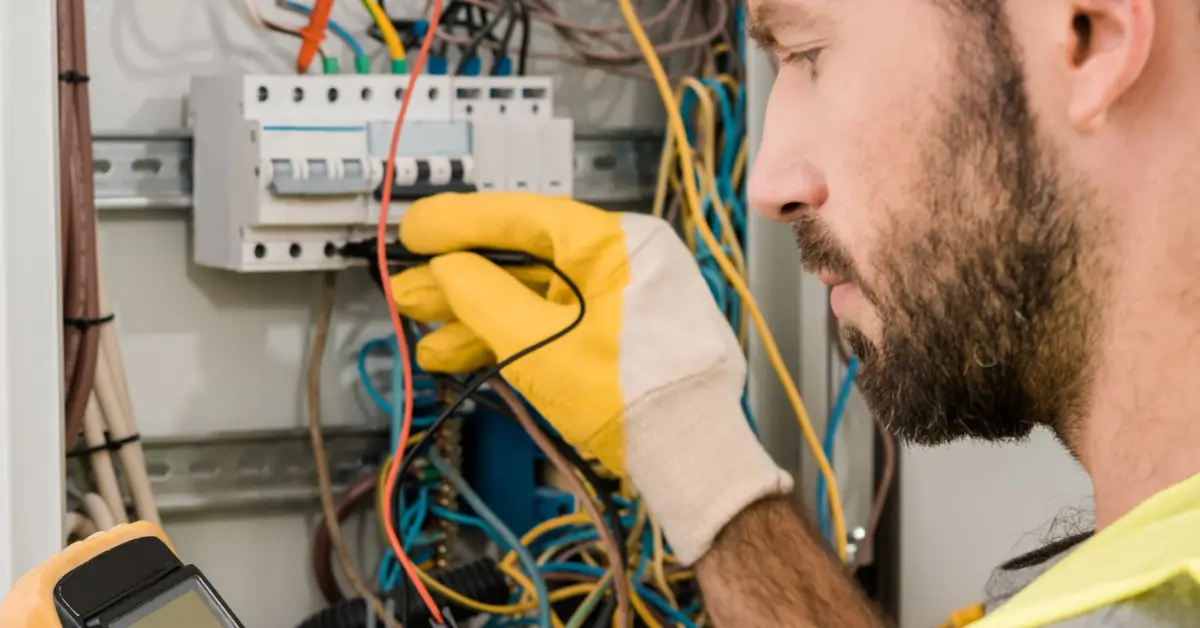
Installing a surge protector incorrectly can leave gaps in protection. Kruger Electric emphasizes the importance of hiring licensed electricians who understand local systems. Professional installation ensures the device is wired correctly at the panel, complies with codes, and functions reliably. In West Virginia, local electricians also consider factors like frequent lightning and older grid infrastructure when selecting and installing surge protectors.
Long‑term benefits for homeowners
Surge protection enhances your home’s resilience by preventing repeated stress on wiring and electronics. Over time, this reduces the likelihood of other electrical issues. Some insurance providers offer discounts for homes with whole‑house surge protectors. Protecting appliances also reduces waste and is better for the environment.
Smart homes and surge protection
As more households adopt smart thermostats, security systems, and connected lighting, the need for surge protection grows. These devices are especially sensitive to voltage spikes. A whole‑house surge protector combined with point‑of‑use protectors for valuable electronics provides layered security.
West Virginia considerations
West Virginia experiences frequent thunderstorms and occasional ice storms that cause power flickers and surges. Rural areas may have older power infrastructure with more variation in voltage. Installing whole‑house surge protection helps safeguard against these fluctuations. Consider pairing surge protection with regular electrical inspections to ensure your system remains safe.
Conclusion and call‑to‑action
Power surges can happen anytime and wreak havoc on modern electronics. Whole‑house surge protection offers comprehensive coverage, protects essential systems, and can save you money. For professional installation and tailored recommendations, contact First Response Electrical. Our licensed electricians will assess your panel, recommend the right surge protector, and install it safely. Don’t wait until a surge damages your appliances—protect your home now.