



Electrical inspections are a proactive way to safeguard your home and ensure your system meets current codes. Proper preparation makes the process quicker and can help you pass on the first attempt.
Gather important documents
Start by collecting permits, receipts, and documentation for any recent electrical work—such as a panel upgrade, EV charger installation, or lighting retrofit. Inspectors appreciate organized paperwork, as it proves the work was done by professionals and meets code.
Clear work areas
Inspectors need access to electrical panels, outlets, and wiring. Move boxes and furniture away from your breaker panel and make sure there’s at least three feet of clearance. Remove items blocking outlets so they can be tested. If wiring runs through attics or crawl spaces, clear a path for safe access.
Check the basics
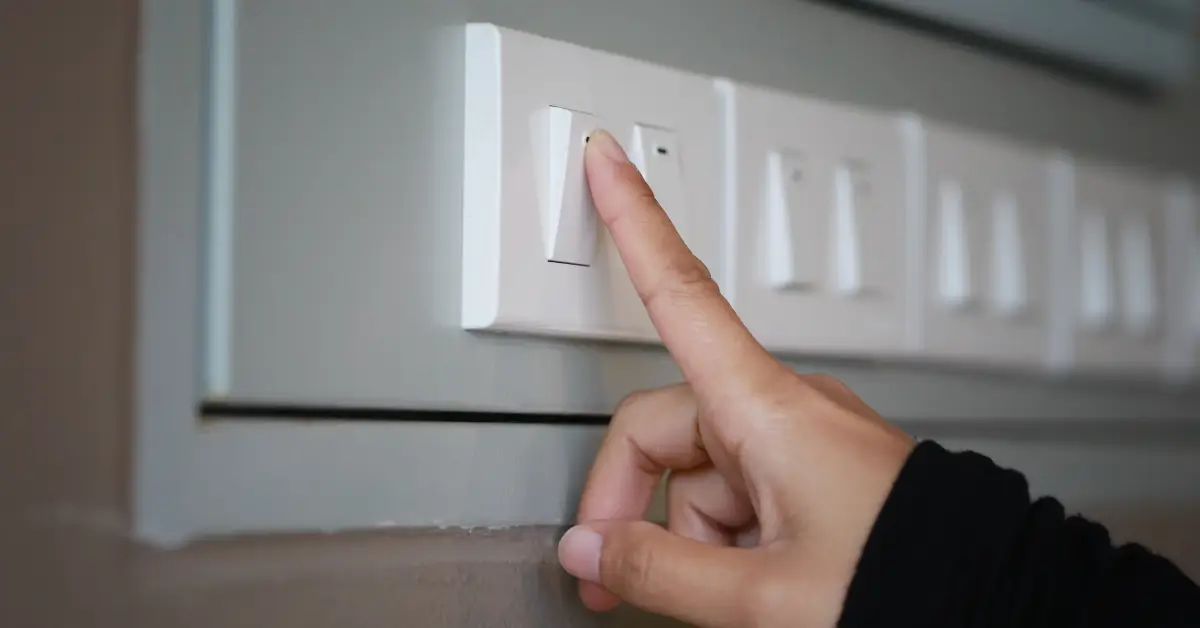
Before the inspection, do a quick DIY check:
- Test all outlets and switches: Ensure they work properly, don’t spark, and don’t feel warm.
- Replace cracked plates and covers: Broken plates can expose wiring and will be noted by inspectors.
- Tighten bulbs: Loose bulbs cause flickering and may be flagged.
Address known problems
If you know your home has flickering lights, tripping breakers, or warm outlets, fix them before the inspection. Hire a licensed electrician to resolve these issues. First Response Electrical offers pre‑inspection services to identify and correct problems so you can avoid costly reinspection fees.
Ensure accessibility
Inspectors often need to look at:
- Attics and crawl spaces: Make sure hatches or doors open easily and pathways are clear.
- Outdoor circuits and outlets: Unlock gates and remove debris around outdoor receptacles. Inspectors will test GFCIs and weatherproof covers.
- Meter and service entrance: Clear vegetation and objects around the meter base and service panel.
Review safety devices
Test your GFCI and AFCI outlets by pressing the TEST button and ensuring they trip. Replace any that fail to reset. Check smoke detectors and carbon monoxide alarms and replace batteries if needed. Inspectors may note missing or non‑functional safety devices.
Coordinate with your electrician
Consider scheduling a walkthrough with your electrician before the official inspection. A licensed electrician can identify issues, test circuits, and recommend fixes. They can also help with paperwork and ensure everything is up to code. First Response Electrical offers consultation services to help homeowners pass inspections with confidence.

Local considerations
West Virginia’s humid climate and older housing stock present unique challenges. Basements and crawl spaces can be damp; moisture can corrode wiring and outlets, which inspectors will note. If your home still has two‑prong outlets or knob‑and‑tube wiring, upgrading to grounded circuits before the inspection will improve safety. Prepare for potential service interruptions on inspection day and consider backup power if needed.
Conclusion and call‑to‑action
Proper preparation is the key to a smooth electrical inspection. Gather your documents, clear work areas, fix known issues, and ensure accessibility. A little effort now can save time and money later. If you’re preparing for an inspection or need help addressing problems, contact First Response Electrical. Our licensed electricians can perform a pre‑inspection assessment and complete any necessary repairs, ensuring your home meets all code requirements. Schedule an appointment today and take the stress out of your inspection.