



Electricity powers our daily lives, but misuse can lead to shocks, fires, or other hazards. Following a few safety guidelines protects your family and property.
General indoor safety tips
Follow appliance instructions: Always read appliance manuals. Use bulbs with the correct wattage—if a fixture is unlabeled, stick with a 25‑watt bulb. Improper wattage can overheat fixtures and cause fires.
Unplug before maintenance: When changing bulbs or cleaning appliances, unplug them first. Tightly screw in new bulbs to prevent shorts and shocks.
Hire professionals: For installations outside your comfort zone (like new light fixtures or ceiling fans), hire a licensed electrician. Professionals ensure wiring is safe and up to code.
Keep water away: Never touch switches or outlets with wet hands. Keep appliances and cords away from sinks, tubs, and showers. In bathrooms and kitchens, install GFCI outlets for protection.
Outlet and cord safety
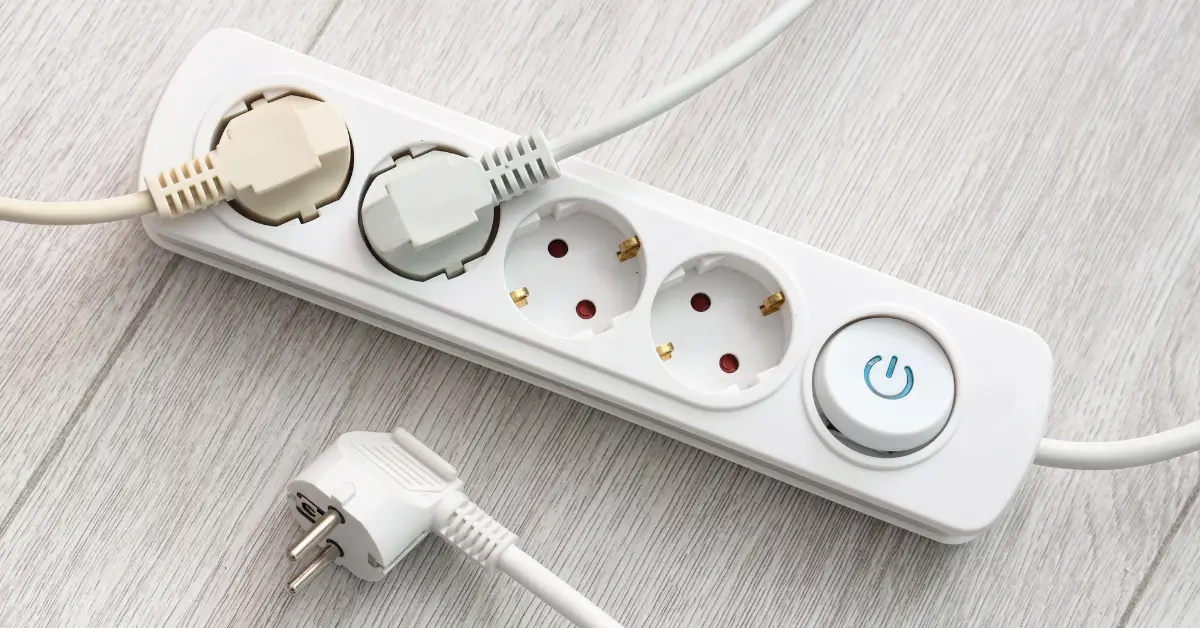
Overloading outlets is a common cause of electrical fires. Avoid plugging too many devices into a single outlet or using multiple power strips. Spread devices across circuits or have an electrician add more outlets.
Teach children about safety: Use plastic outlet covers to protect young children. Explain that outlets and cords aren’t toys.
Watch for warning signs: Warm or discolored outlets indicate overload or loose connections. Call an electrician if you notice burning smells, sparks, or popping sounds.
Avoid three‑prong adapters: Also called cheater plugs, these are dangerous because they defeat grounding. Have a professional replace two‑prong outlets with properly grounded GFCI outlets.
Extension cord and charger safety
Inspect cords: Before using, check for cuts, cracks, or fraying. Discard any cord with exposed wires. Use cords with a third prong (ground) and certification from an independent testing lab.
Use proper gauge: Extension cords should match the current draw of the devices plugged in. Overloading a small cord causes overheating.
Don’t chain cords: Never connect multiple extension cords. Avoid nailing or stapling cords to walls or floors. This damages insulation and increases fire risk.
Store cords properly: Keep cords off the floor and away from pets. Don’t leave cords outdoors or in damp areas unless they’re rated for outdoor use.
Appliances and electronics
One heat‑producing appliance per outlet: Toasters, space heaters, and coffee makers draw significant power. Use one per outlet to avoid tripping breakers.
Plug large appliances directly into wall outlets: Avoid using extension cords or power strips for refrigerators, ovens, washers, and dryers. Large appliances may need dedicated circuits.
Unplug before cleaning or servicing: Disconnect appliances before cleaning or performing maintenance. Only trained professionals should repair electrical equipment.
Ensure ventilation: Electronics like computers and game consoles need adequate airflow. Overheating can damage components and cause fires.
Outdoor and yard safety
Before digging in your yard, call 811 to have utilities mark buried lines. Wear rubber‑soled shoes and gloves when using electric tools. Keep cords away from blades and sharp edges. Make sure outdoor outlets have GFCI protection and weatherproof covers. Store electric tools indoors to prevent weather damage.
Surge protection and fire prevention
Install surge protectors to shield electronics from voltage spikes. Consider a whole‑house surge protector installed at the panel. Ensure smoke detectors and carbon monoxide alarms are in working order and replace batteries annually. For fire extinguishers, keep a Class C extinguisher for electrical fires.
Child safety
Curious children may insert objects into outlets. In addition to outlet covers, consider tamper‑resistant receptacles for added safety. Teach older children never to put metal objects into appliances and to tell an adult if they notice sparks or smoke.

West Virginia considerations
West Virginia’s frequent storms can cause surges and outages. Keep flashlights and batteries accessible, avoid using electrical devices during severe storms, and unplug sensitive electronics when thunderstorms are forecast. If you live in a flood‑prone area, elevate outlets and service equipment above flood level. Have your system inspected by a licensed electrician to ensure wiring hasn’t been compromised by moisture.
Conclusion and call‑to‑action
A few simple precautions go a long way toward preventing electrical accidents. Follow these safety tips, teach your family about electricity, and schedule regular inspections to keep your home safe. If you notice any warning signs or want peace of mind, contact First Response Electrical. Our licensed electricians can assess your system, install GFCIs and surge protectors, and recommend improvements tailored to your West Virginia home.